Decoding the dollar
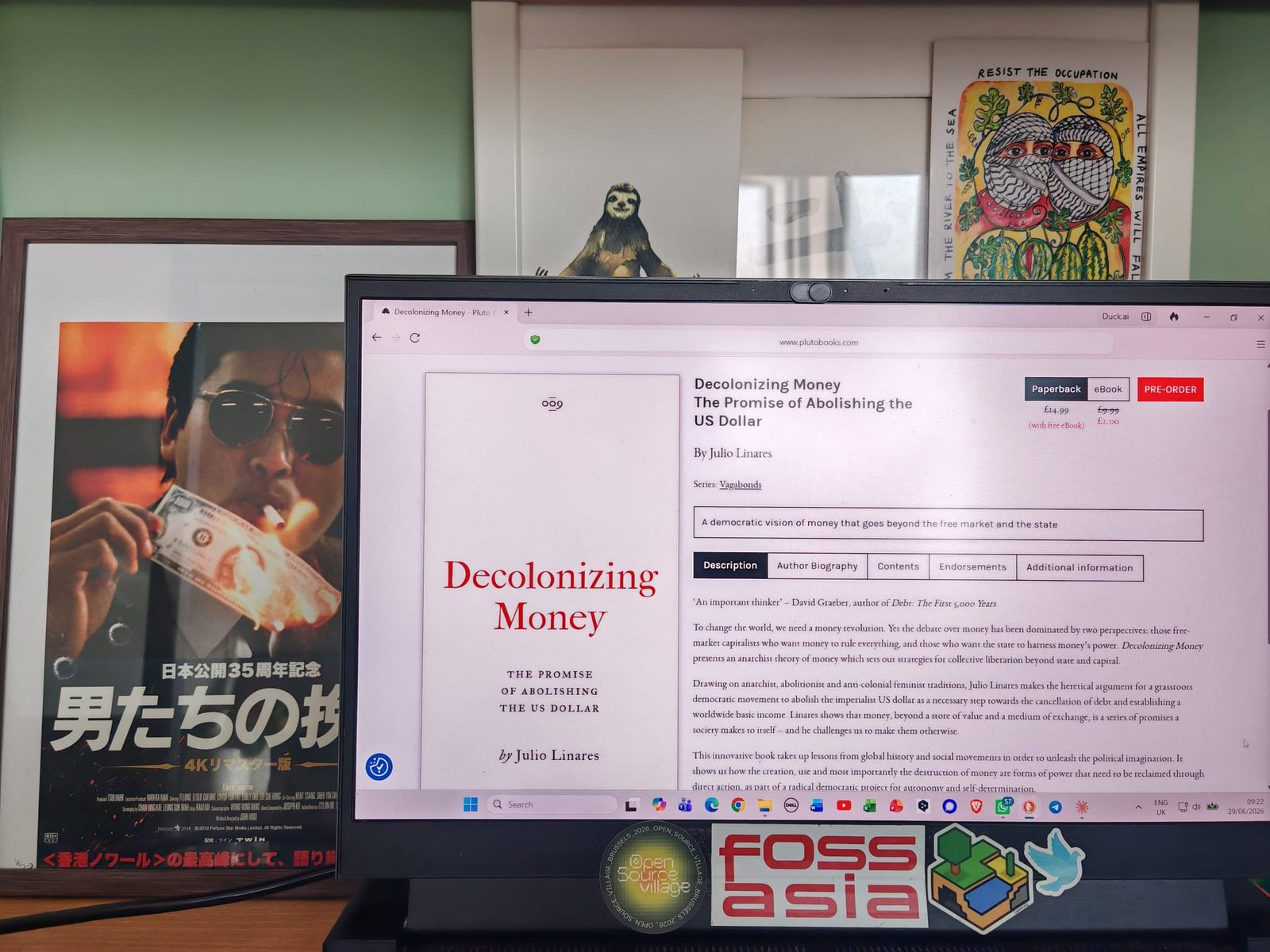
I'm reading the opening pages of a new book, Julio Linares's Decolonizing Money, in which the author sets fire to a banknote in front of a crowd. People gasp. Some feel sick, some feel free. And I'm not picturing Linares at all. I'm seeing Chow Yun-fat.
In A Better Tomorrow, John Woo's 1986 film, Chow plays Mark, a Hong Kong gangster with his own moral code, lighting a cigarette off a burning counterfeit hundred-dollar bill. I was 10 when I first watched it, on a VHS tape my uncle had left by the player. The elders were singing karaoke and cooking pancit and lumpia, and I was left to entertain myself, sitting in silent awe at these heroes of bloodshed, as the genre came to be known, fighting injustice against the odds. This was Hong Kong before the 1997 handover from Britain to China, the golden age of its cinema, and it marked me.
Almost 30 years later I'm fighting my own battles. The villains have swapped the Ray-Bans and trench coats for lines of code, faceless technocrats, and the quiet menace of the techno-feudal overlord. The struggle hasn't changed. The problems have metastasised. You use the tools you can reach to build an escape route out of a rigged system founded on inequity.
Burning money is direct action against a false god, and I mean that almost literally. Walter Benjamin, writing in 1921, called capitalism a religion of pure cult, a faith with no doctrine that demands unceasing worship and grants no day of rest. He thought it had grown up as a parasite on Christianity and then outlived its host, riding out into the world on the back of empire. He also saw the trap hiding inside the German word for it, Schuld, which means both debt and guilt, the same word carrying both. Money is the oldest god in that cult. It works because we agree that it works. Set a banknote alight and the paper is the least of it. You are committing a small heresy against something most people treat as sacred. That is why both men, the gangster and the anthropologist, reach for the lighter.
What money actually is
I learned how money works twice. Once at university, reading it in textbooks for a BSc in economic and social policy, where Microeconomics and Macroeconomics was taught as a "social science" with the politics quietly removed. And once by watching what it did to people.
The textbook version is mostly wrong anyway. Most of us are told a bank keeps our deposits in a vault and lends out a slice. It doesn't work like that. Banks create money by typing loans into existence, and the deposit appears afterwards. The US scrapped its reserve requirements altogether in March 2020. They sit at 0%. The multiplier you were taught in school is a corpse.
So what gives money its value? A promise, and the power to enforce it. In 1971 Richard Nixon cut the dollar's last link to gold, and it became pure promise, propped up by trust and by the US military. Linares puts it plainly: money is "a series of promises a society makes to itself." The questions that matter are who gets to make those promises, and who has to keep them.
The promise as a weapon
During an international development economics class, my tutor recommended Naomi Klein's The Shock Doctrine. It rearranged how I saw the institutions the rest of us take for granted: the loan, the bailout, the structural adjustment, the polite machinery that turns a crisis into a transfer of wealth from the poor to the powerful.
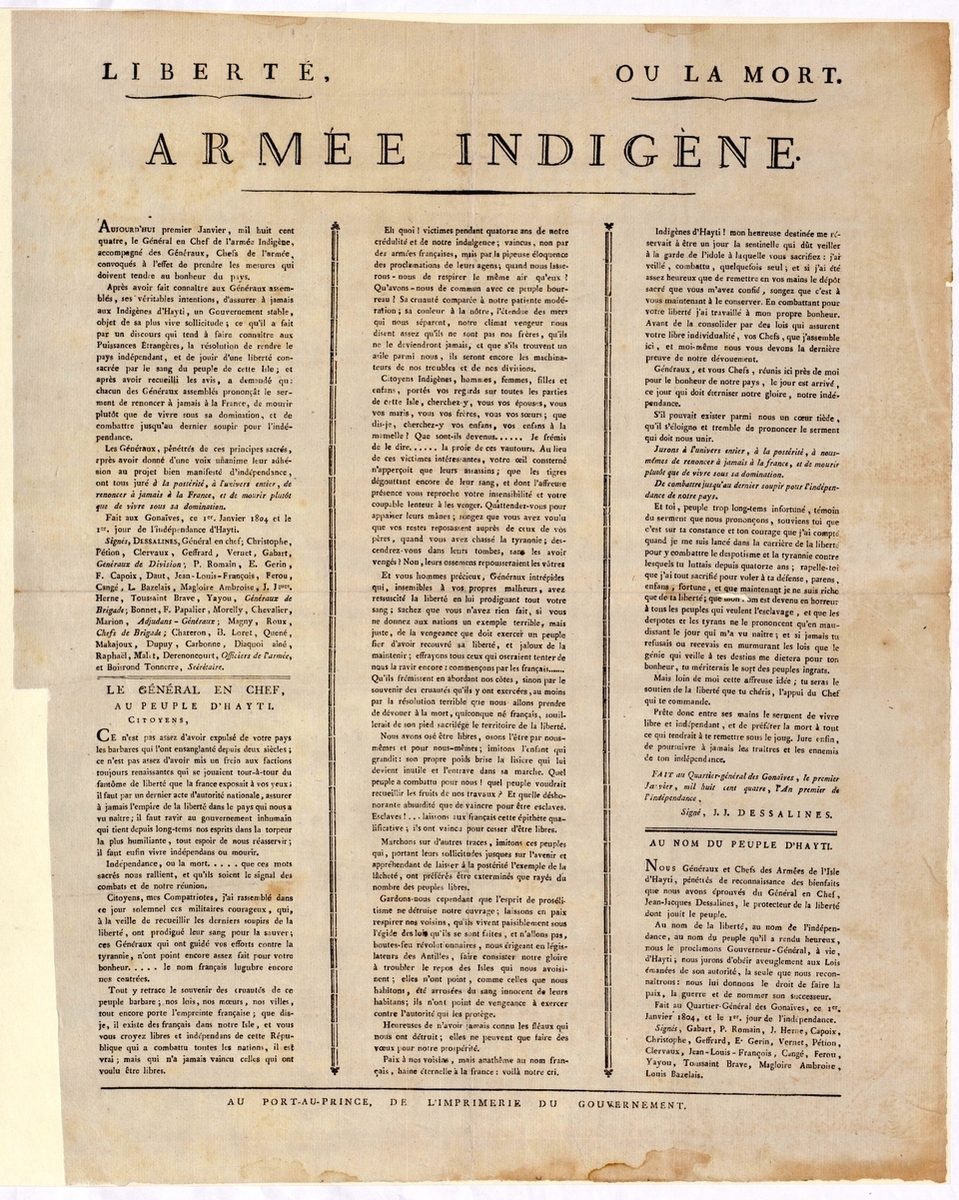
The clearest case is the oldest. In 1825 France sent warships to Haiti, the first free Black republic, and demanded 150 million francs in compensation, later renegotiated to 90 million, payment for the formerly enslaved having dared to free themselves. Haiti borrowed from French banks to pay that sum, then serviced the debt deep into the twentieth century. Years later I taught this chapter to master's history students in Paris, and some of them had never heard of it. One of the most efficient thefts in modern history, wiped from the memory of the very city that banked the proceeds.
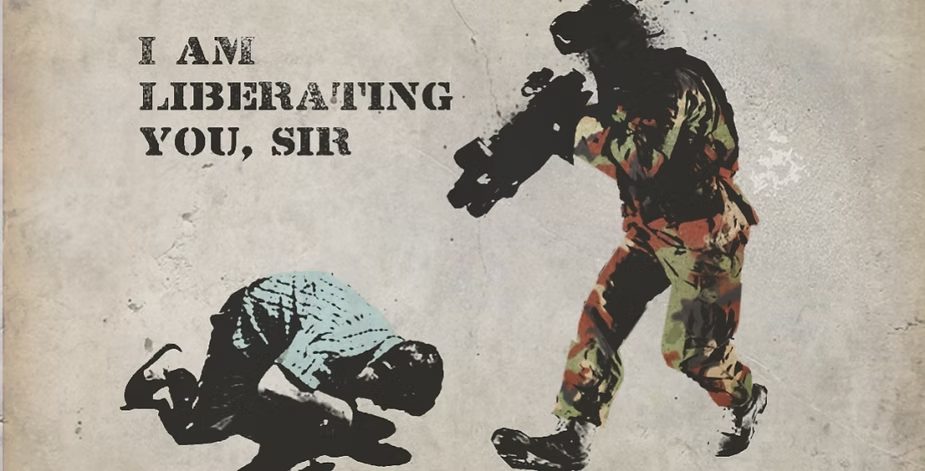
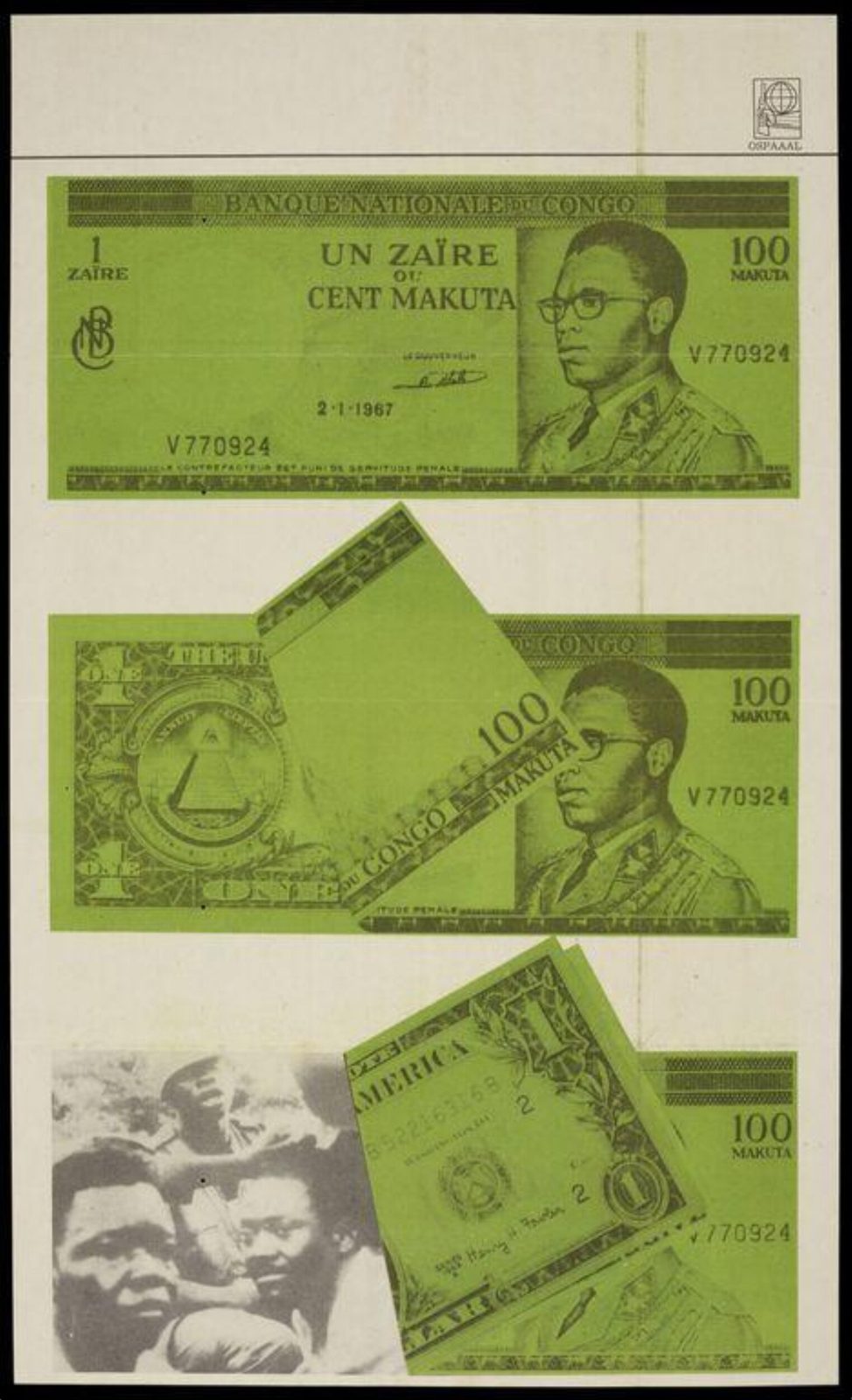
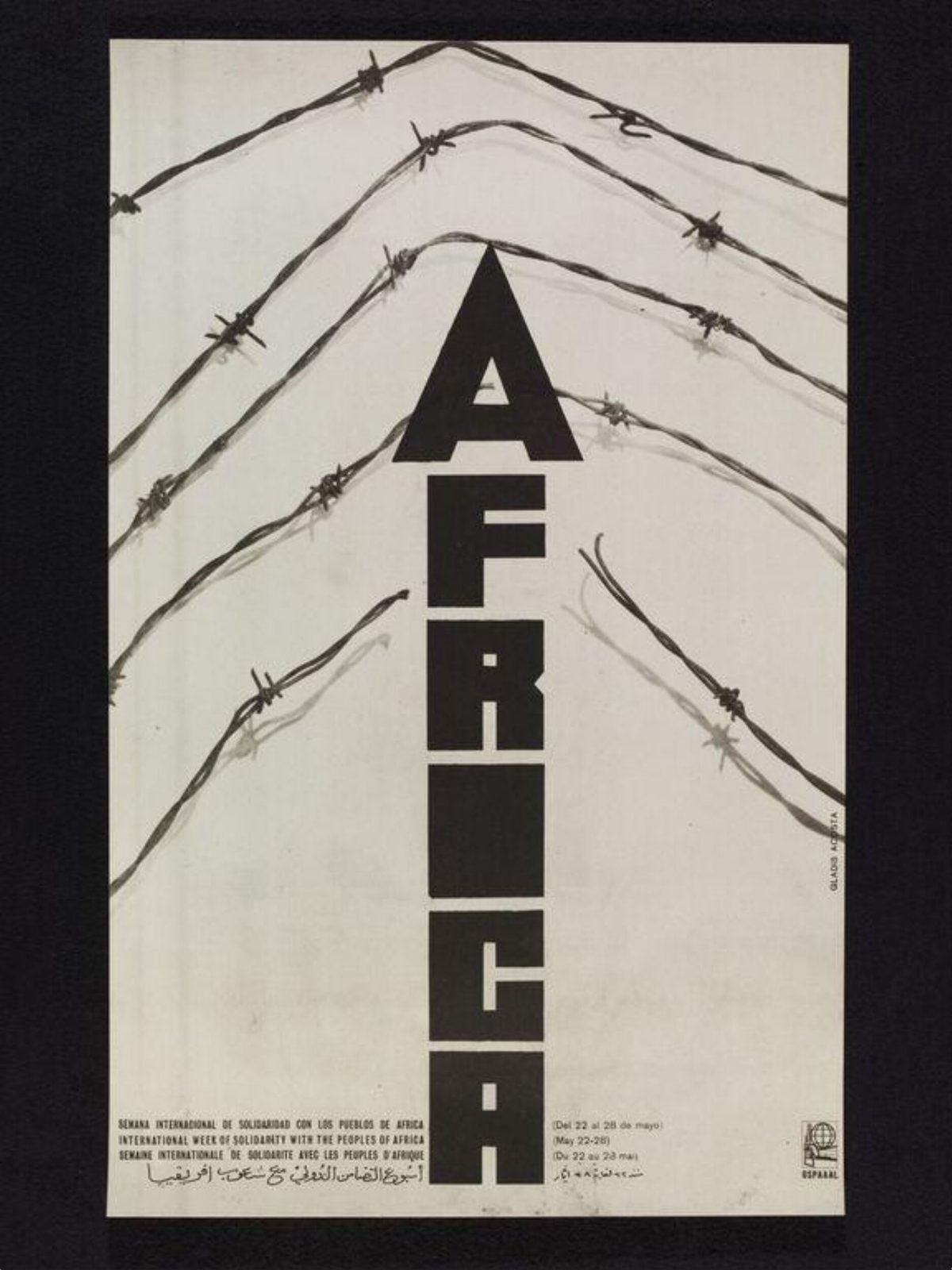
The mechanism survived. Six Central African states are still required to deposit half their foreign reserves at the French Treasury (Cameroon, Central African Republic, Chad, Republic of Congo, Equatorial Guinea, and Gabon). A further eight West African states use a pegged currency whose reform France announced in 2019 but has yet to implement in full (Benin, Burkina Faso, Côte d'Ivoire, Guinea-Bissau, Mali, Niger, Senegal, and Togo). The peg to the euro remains in place for all 14. Three of those eight, Burkina Faso, Mali, and Niger, have since left ECOWAS, formed the Alliance of Sahel States, and in December 2025 created a confederal investment bank as the first structural step toward a replacement currency they are calling the Sira. They are still inside WAEMU, the West African Economic and Monetary Union, and still using the CFA franc. But the pressure from within the zone is real, and Linares's argument is ageing better than France's reform promises. Linares calls this the Colonial Franc of Africa, a monetary structure that sets policy in Paris for people who will never see it. He reads the Israeli shekel the same way, a "settler colonial currency" that has denied Palestinians their own monetary policy since the 1994 Paris Protocol. Decolonisation, he insists, borrowing from Eve Tuck and K. Wayne Yang, is "not a metaphor." It means taking the structures apart, with the diversity panels left as a consolation prize.
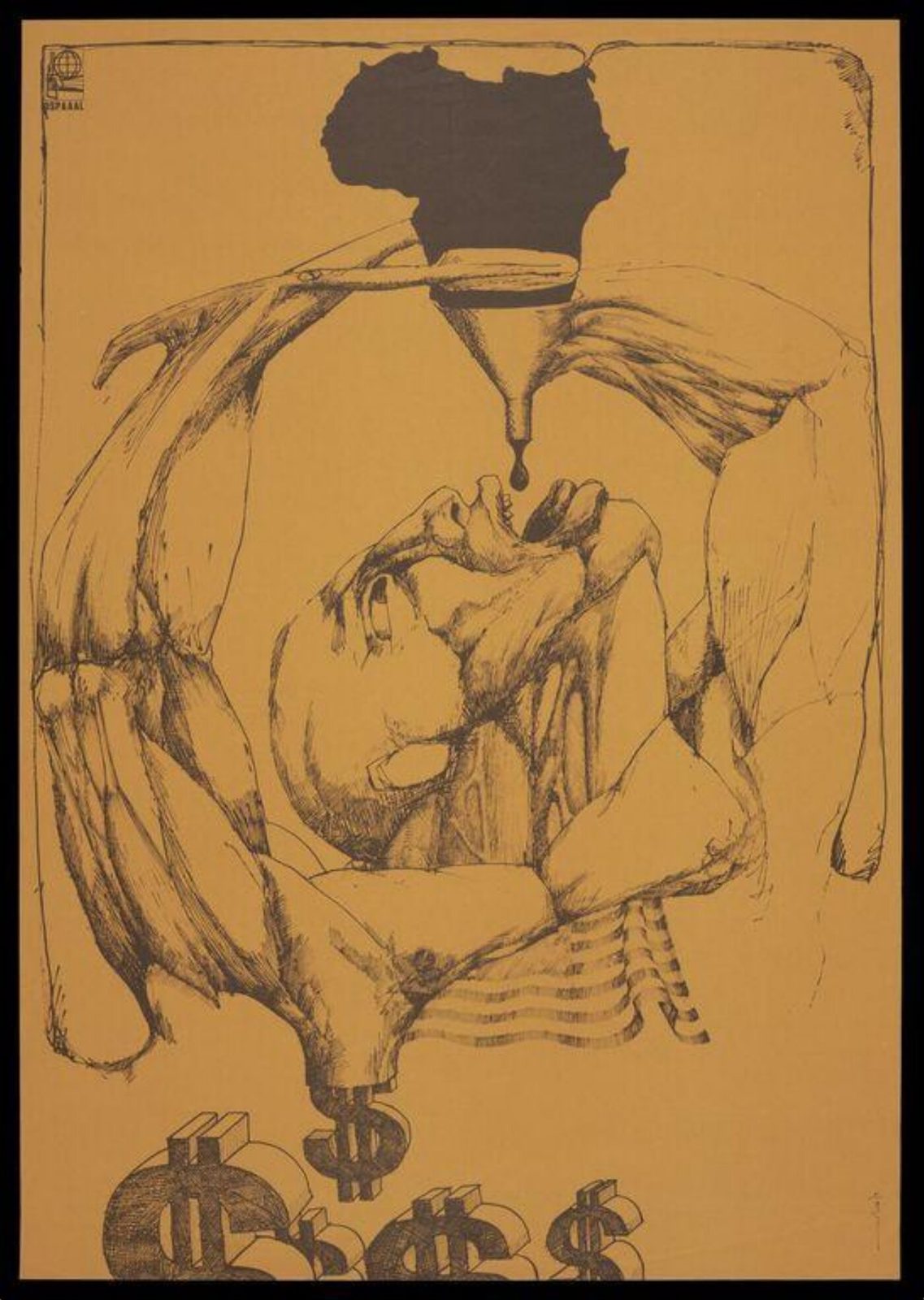
There's a remedy built into the system, and it has a name older than any living government. The Jubilee. It comes from the Hebrew yovel, the ram's horn blown once every fifty years to announce that the slate was wiped clean. Leviticus 25 is not vague about what this means: debts cancelled, land returned, those enslaved for debt set free.
The verse is specific:
"proclaim liberty throughout all the land unto all the inhabitants thereof."
A more accurate translation of the Hebrew, as scholars have noted, renders it closer to "proclaim release," which is an economic term, not a political one. Release from debt bondage. The fiftieth year is not an aspiration in the text. It is a commandment.
The Hebrew Bible also mandates a smaller reset every seven years. Deuteronomy 15 is plain about this too:
"At the end of every seven years you shall grant a remission of debts."
The word is shemitah: to let fall, to release, to abandon. Not suspend. Release.
The tradition is older than the Bible. The Sumerians had a word for the same practice: amargi, "return to mother," a release from debt bondage that predates the Torah by two thousand years. David Graeber traced this across dozens of ancient societies. Debt cancellation was not an act of charity in any of them. It was maintenance, the way a farmer lets a field lie fallow so it does not exhaust itself. Compound interest, if left long enough, will always outpace what ordinary people can produce. Every ancient civilisation that survived long enough understood this. The ones that forgot it eventually collapsed under the weight of debt servitude.
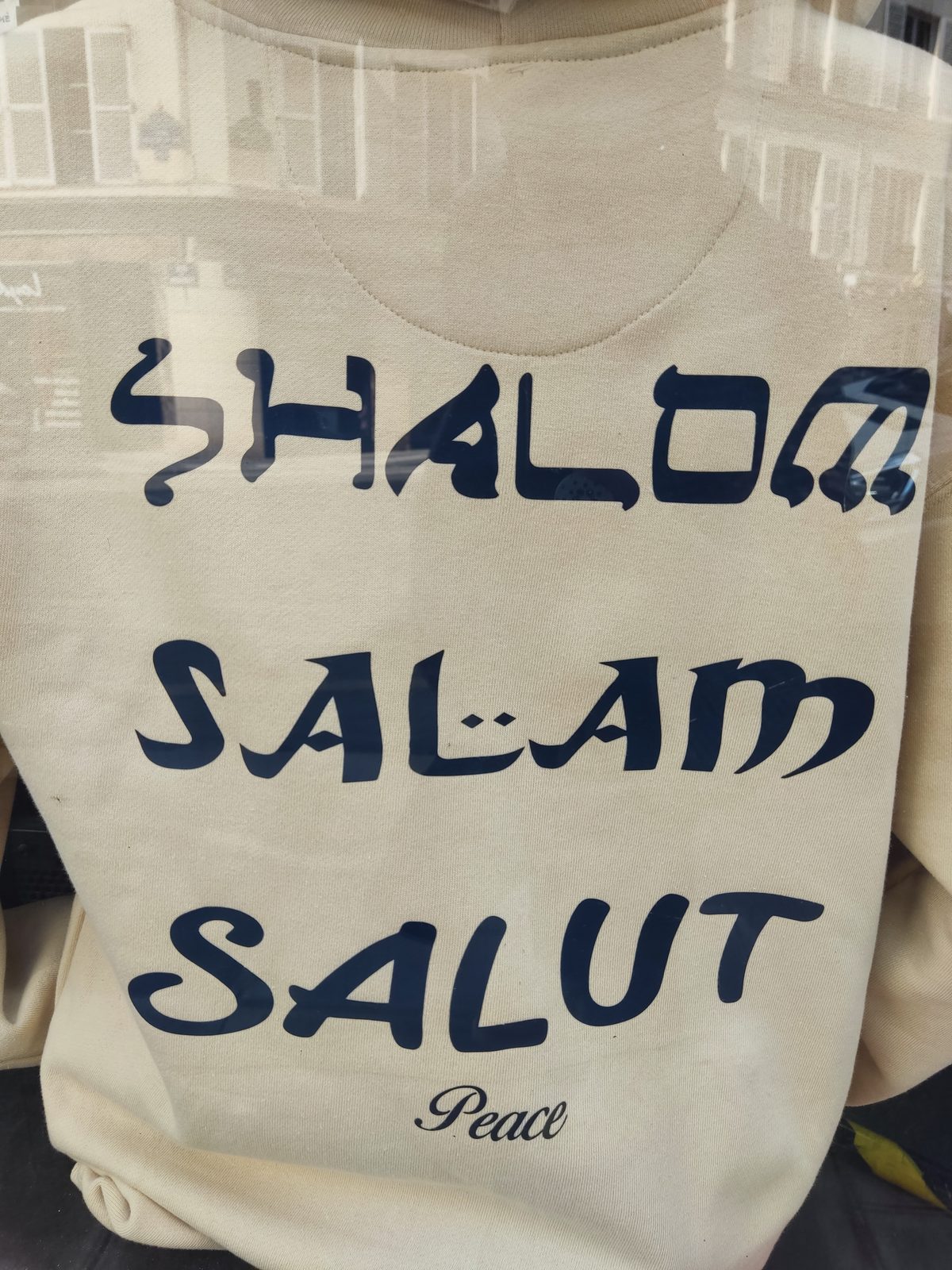
Jesus opened his public ministry, in Luke 4, by standing in a synagogue in Nazareth and reading from Isaiah:
"He has anointed me to bring good news to the poor, to proclaim release to the captives, to let the oppressed go free, to proclaim the year of the Lord's favour."
The scholars in the room would have known immediately what "the year of the Lord's favour" meant. It was the Jubilee.
The Lord's Prayer renders the same principle in the plainest possible terms:
"forgive us our debts, as we also have forgiven our debtors."
The Greek word is opheilema. Not sin. Not trespass. The Aramaic word hobha underlying it means both debt and sin simultaneously, because in the world these texts came from, the two were inseparable.
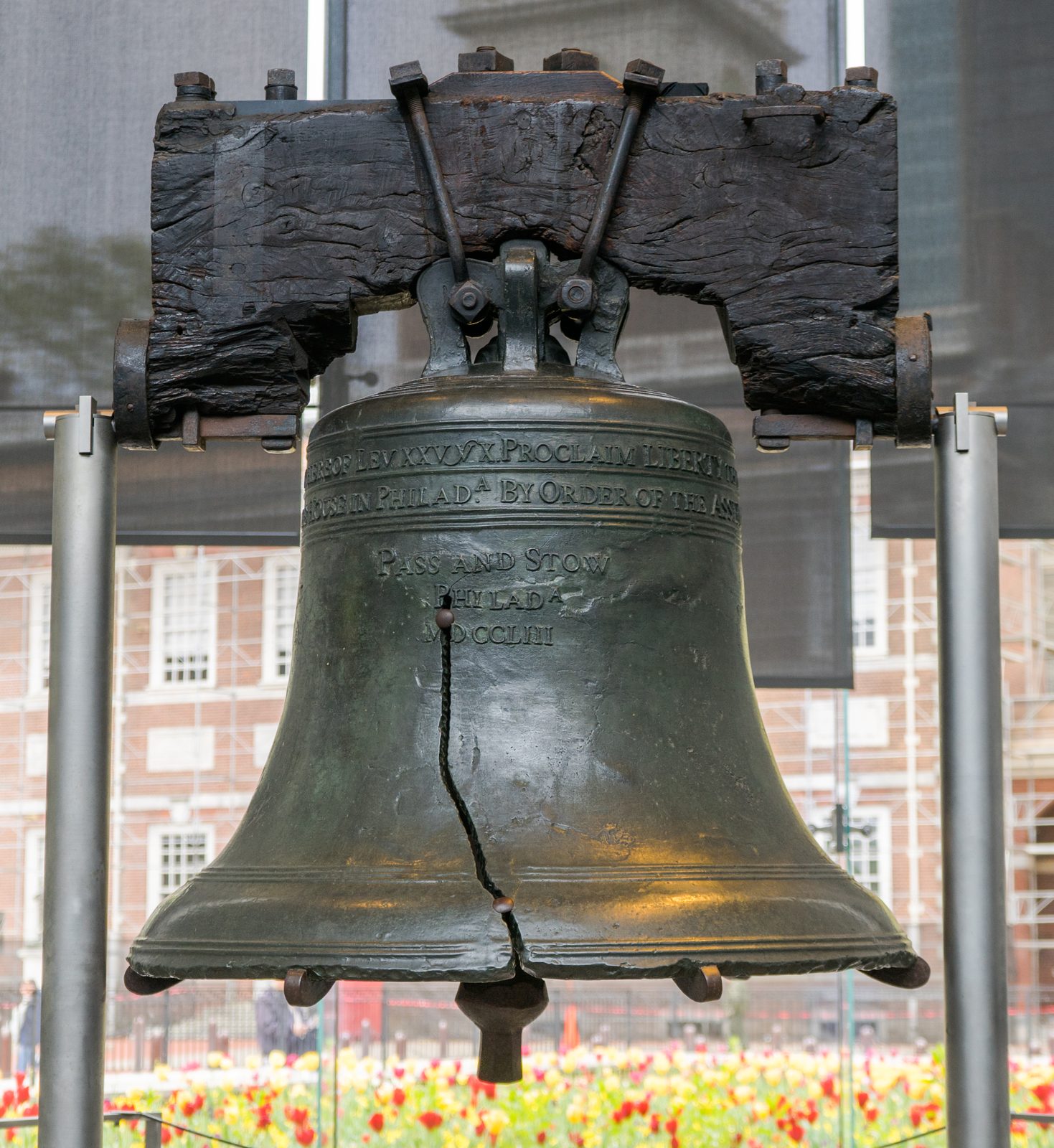
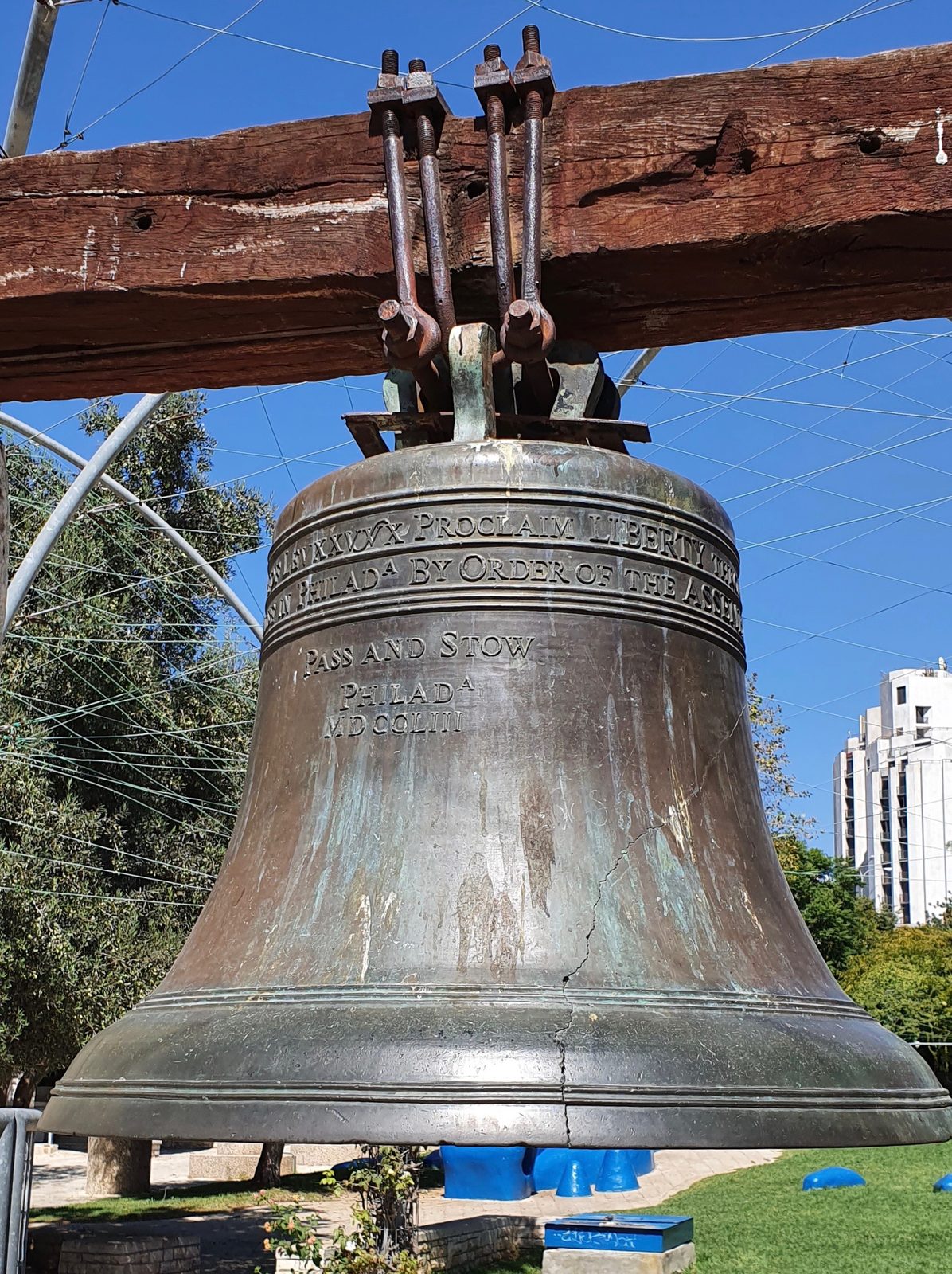
Now sit with the ironies. The phrase from Leviticus 25, "proclaim liberty throughout all the land," is inscribed on the Liberty Bell in Philadelphia, the founding symbol of the country that now runs the global debt system through the IMF, the World Bank, and the US Treasury. The 1989 Kerry Committee found that same country's State Department had paid companies run by narco-traffickers to fund proxy wars while cutting school lunches at home. The tradition of debt cancellation is Jewish scripture, and the nation-state that takes the Hebrew Bible as foundational to its identity maintains, as Linares documents, a currency that has denied the Palestinian people their own monetary policy since 1994. The most powerful Christian institution on earth, the Vatican, called 2025 the Jubilee Year and made debt cancellation its centrepiece; the governments whose legal and moral frameworks descend from that same Christian tradition govern the English law that covers roughly 90% of the debt contracts binding the world's poorest countries.
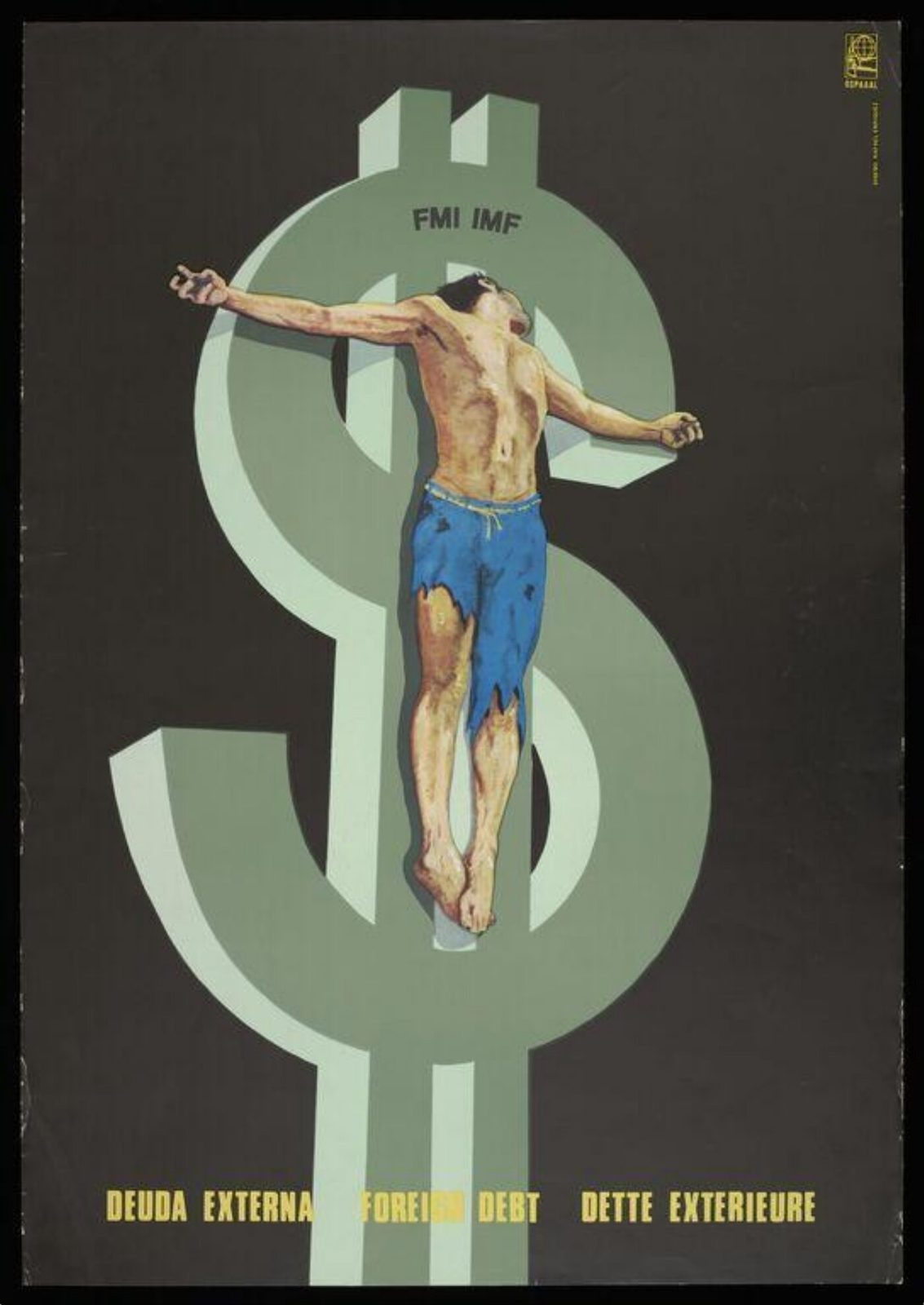
Thomas Sankara told the world in the 1980s that Africa's debts were colonial and unpayable, that "those who lend us money are those who colonised us," and was assassinated in 1987. The debts stayed. It still works when it is tried. The Jubilee 2000 campaign wiped out $130 billion of debt for 36 of the poorest countries, and it rarely gets mentioned now. The late Pope Francis spent his final months reviving the call, telling rich nations that forgiving unpayable debt was "a matter of justice" rather than charity, and naming the ecological debt the wealthy world owes the global majority for two centuries of extraction. Today a successor Jubilee 2025 campaign, active in more than 160 countries under the banner "Turn Debt Into Hope," is building the biggest global debt movement in a generation. 54 countries are in active debt distress. Debt payments for lower-income countries are at the highest level in 30 years. Little of this makes the front page.
My own detour through the code
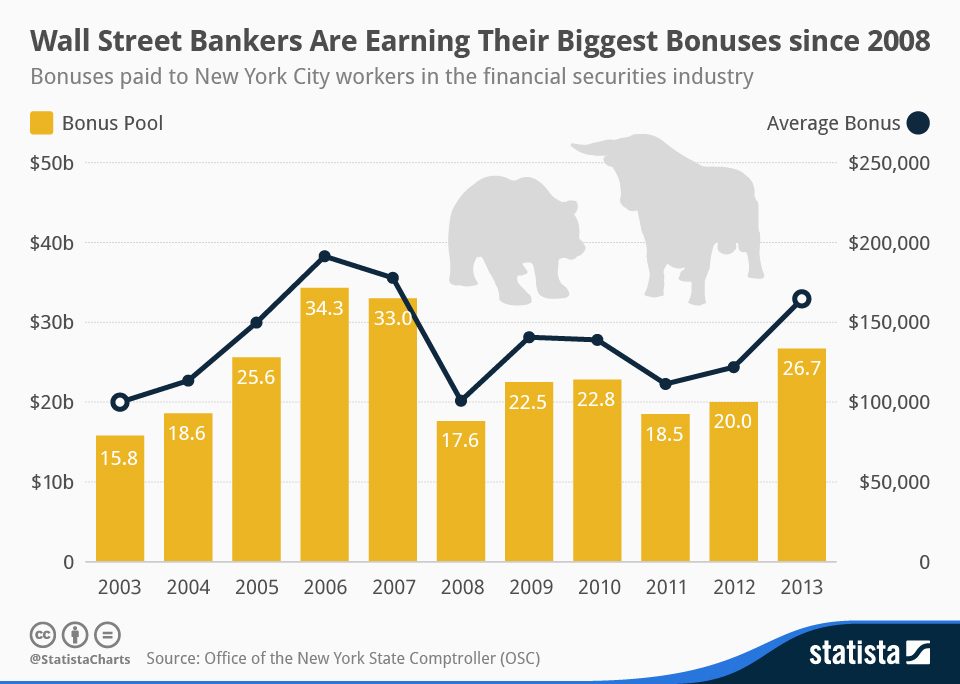
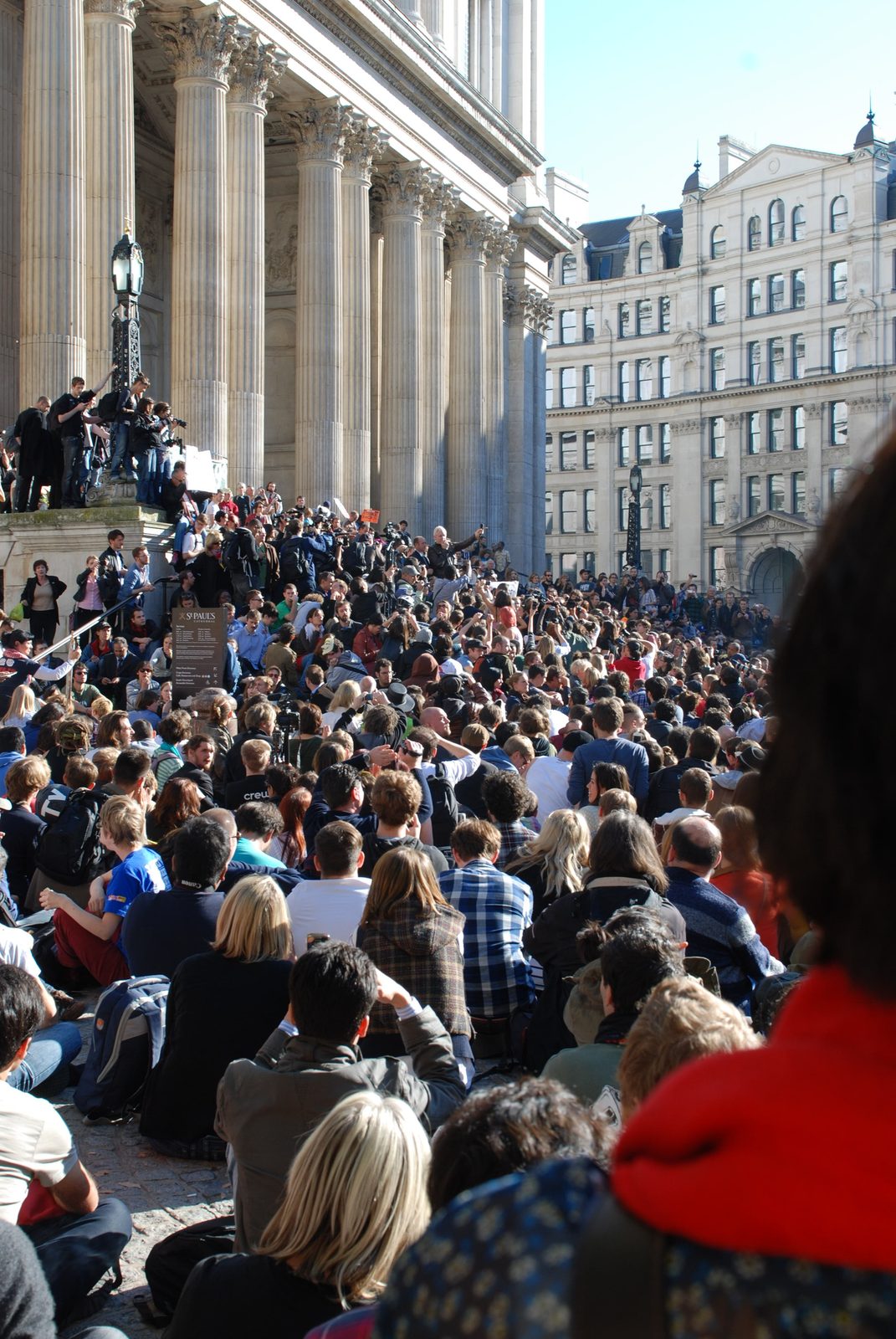
I came to all this through code, the way a lot of my generation did. After the global financial crisis of 2007, I was an undergraduate watching the people who broke the economy collect their bonuses. When Occupy filled the steps of St Paul's, it felt like the question was finally being asked out loud.
In 2009 I read the Bitcoin whitepaper, nine pages proposing digital cash, peer to peer money with no bank in the middle, and I believed, the way you believe at 22, that the right design could route around the rot.
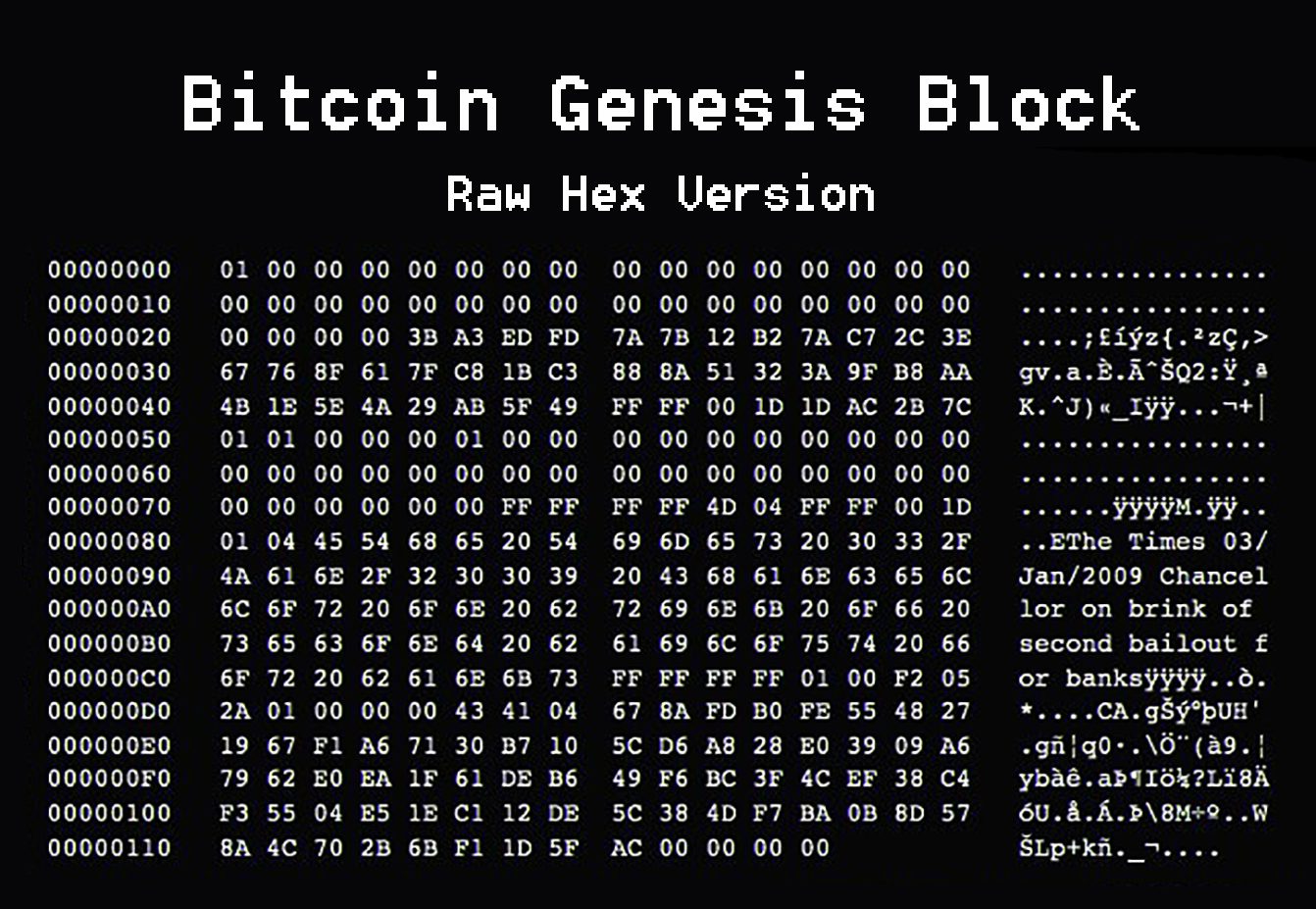
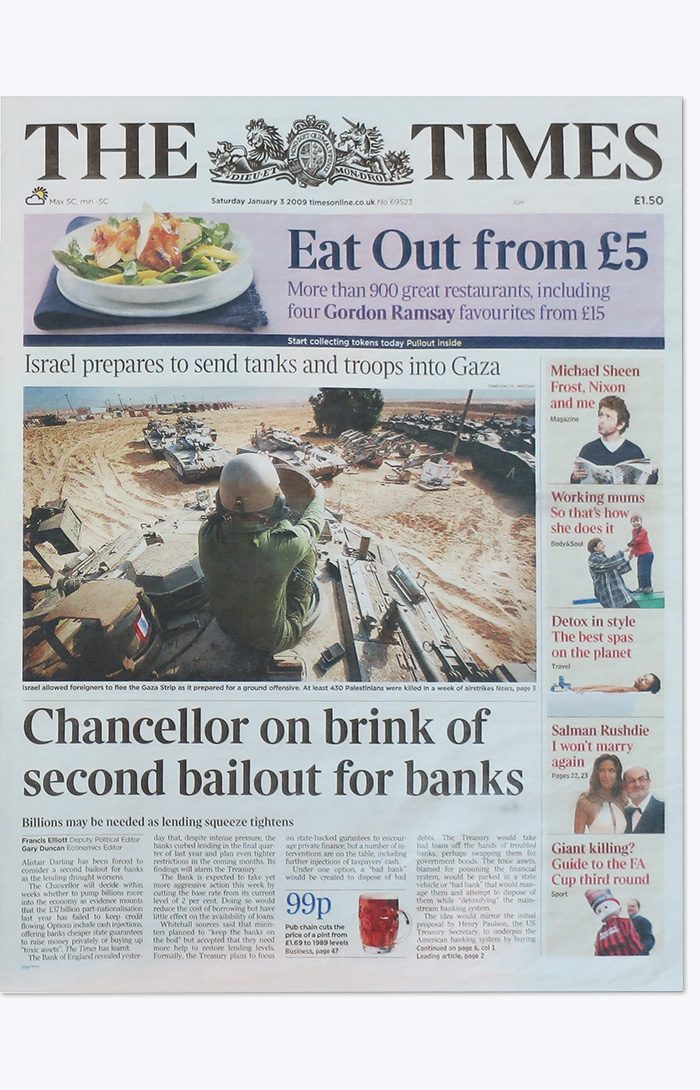
It can't, at least not on its own, and Linares is one of the guides to understanding why. He spent six years building a basic-income currency called Circles on Gnosis Chain, an Ethereum sidechain (it launched on xDai in 2020; Gnosis merged with xDai in 2021), and came out a sceptic. Decentralisation isn't democracy. Murray Bookchin pointed out that feudalism was decentralised too. Letting people "vote with their assets" is a worse arrangement than one person one vote, because it shuts out everyone without capital. Linares calls the result crypto-feudalism: "castles of wealth exist in the sky, protected by mathematics." David Wengrow, who co-wrote The Dawn of Everything with the late David Graeber, makes the same point in his endorsement of the book: most attempts to remake money, from MMT to Bitcoin, are "not terribly imaginative."
Circles taught Linares the hard limit. People could spend it on bread and haircuts. They couldn't pay rent or bus fares, because landlords and transit owe the state in euros, and state money sets a floor no local currency breaks through. Then the chain underneath got bought out. So much for decentralisation. I had felt the same pull, the faith that the right protocol redistributes power by itself. It doesn't. A protocol inherits whoever already holds the capital.
How the dollar defends itself now
While everyone waited for crypto to break the dollar, crypto's biggest product became the dollar. Stablecoins, tokens pegged one to one to a currency, now run to more than $250 billion, and almost all of them are dollars. In July 2025 the US passed the GENIUS Act, its first federal law for them, requiring every coin to be backed by dollars and Treasury bills. Trump signed it and called it a step to "cement American dominance of global finance." The escape hatch got wired straight back into the financial system it was meant to escape. Every stablecoin is a new buyer of US debt.
Where code won't hold the line, there are bombs. The petrodollar, the 1970s bargain in which the Gulf prices its oil in dollars and recycles the proceeds into US Treasuries in return for weapons and protection, has started to crack. Saudi Aramco settles some sales to China in yuan now, Qatar has run a yuan clearing house for a decade, and in April 2026 the UAE warned Washington it might have to settle some oil sales in yuan if the war kept draining its dollars, then walked out of OPEC a week later. The dollar's share of world reserves has fallen from about 71% around the turn of the century to roughly 57%. Linares argues the dollar has always been defended with force around oil, and points to Iraq and Libya. Since then the proof has come louder. In June 2025 the US and Israel bombed Iran's nuclear sites in a twelve-day war. By late February 2026 it was a wider one: the US and Israel struck again, killed Iran's supreme leader, and Iran shut the Strait of Hormuz, where a fifth of the world's oil passes. A memorandum signed on 17 June 2026 was meant to reopen it, and within 10 days the two sides were striking each other over the strait again, the US hitting Iranian radar and drone sites, Iran hitting tankers and striking Bahrain. Iran's stated grounds were explicit: control of the channel, and the right to charge tolls to let oil through. As this goes to print they are still fighting over it.
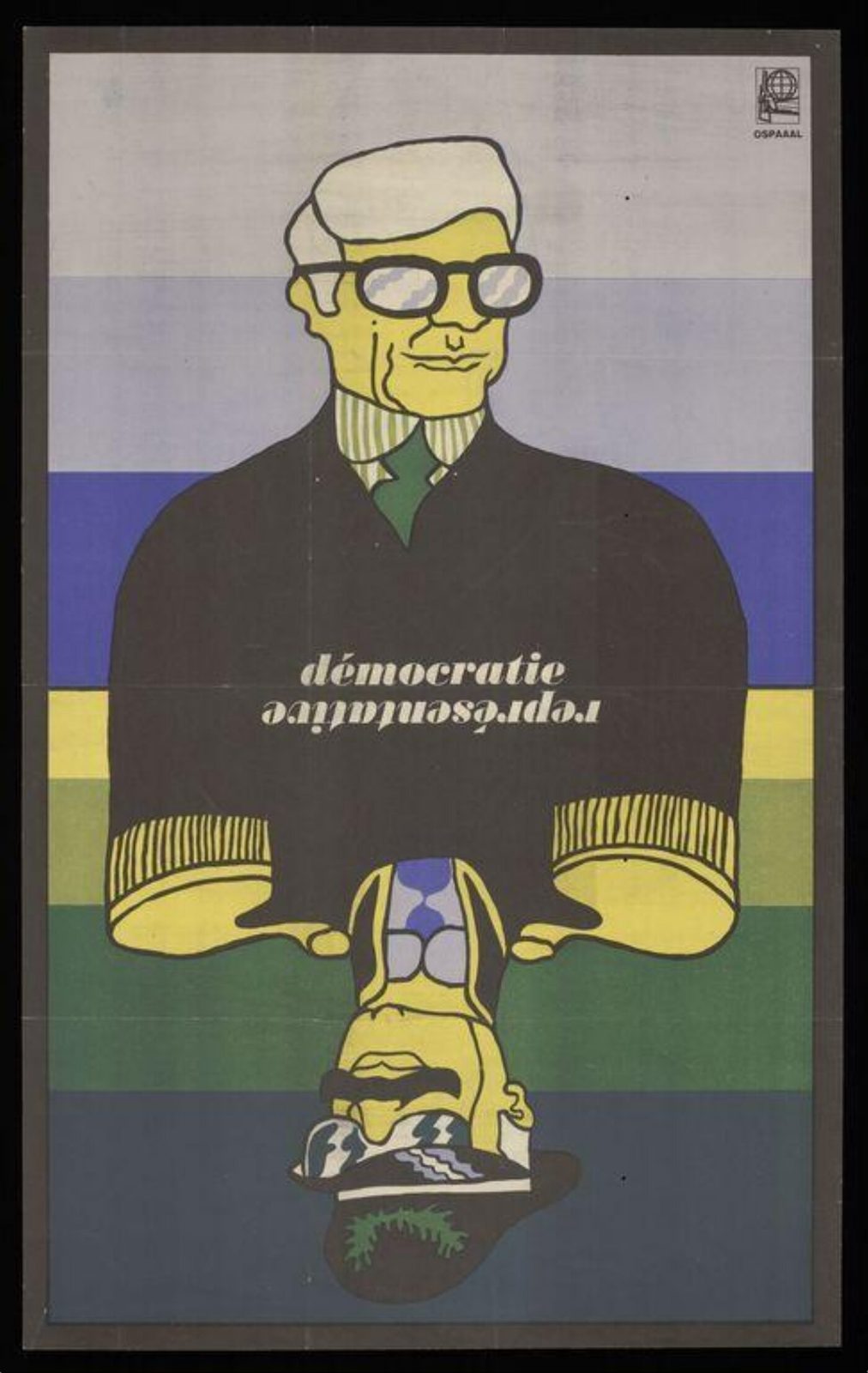
Then it came home to the Americas. In January 2026 the US bombed Caracas, seized Venezuela's president in a night raid, and flew him to New York for trial. Venezuela holds the largest oil reserves on earth and had spent years trying to sell them in yuan and euros. Maduro was authoritarian, and faced credible US criminal charges.
Within weeks Trump announced that American companies would run the fields and the revenue would flow north. Both things can be true at once: the crime, and the prize. Cuba was next, blockaded from the oil it needs, with tariffs threatened against anyone who keeps it fuelled, the first blockade of the island since the missile crisis. Each operation was sold as a war on drugs or on tyranny. Each was a fight over oil, and over the currency it sells in.
Who made these places the way they are? The 1989 Kerry Committee found the US State Department had paid more than $800,000 to companies owned by narco-traffickers to run contra supply lines. The CIA's own Inspector General confirmed in 1998 that the agency had covered up Contra drug connections for more than a decade. The crack cocaine epidemic that devastated Black and working-class communities across American cities in the 1980s ran, in part, through networks the US government was protecting. Gary Webb reported it in 1996. His career was destroyed. His reporting was later confirmed by the very institutions that destroyed him. The war on drugs and the funding of the drug networks were, for a period, the same policy. When Maduro is described as a drug criminal, the question of who built the pipelines he inherited deserves at least a sentence.
The empire has a name on it
The machine that bombs for oil keeps a quieter grip the rest of the time, through bases. By the broadest count, which includes logistics hubs and rotational facilities, researchers estimate over 750 US installations abroad across roughly 80 countries, more than every other nation's foreign bases combined. The Pentagon's own narrower tally runs to at least 128 across 49 countries. However you count them, no other military comes close.
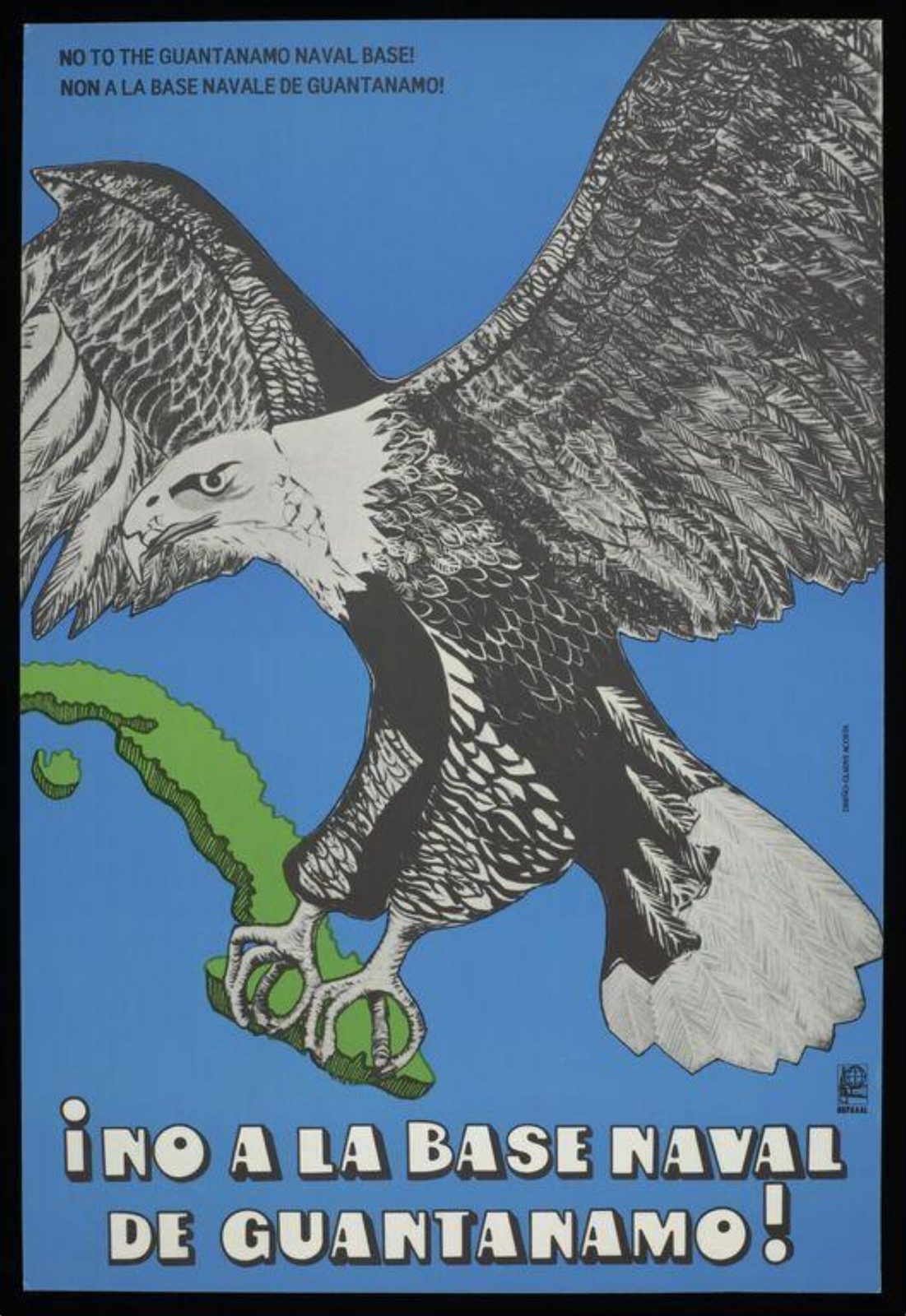
The late John Pilger documented what he called "the perfect noose," over 400 US military installations arcing from Australia through Japan and Korea toward India. By the Pentagon's named-base count, Japan hosts the most of any country, and the Philippines, where part of my family is from, hosts the second most.
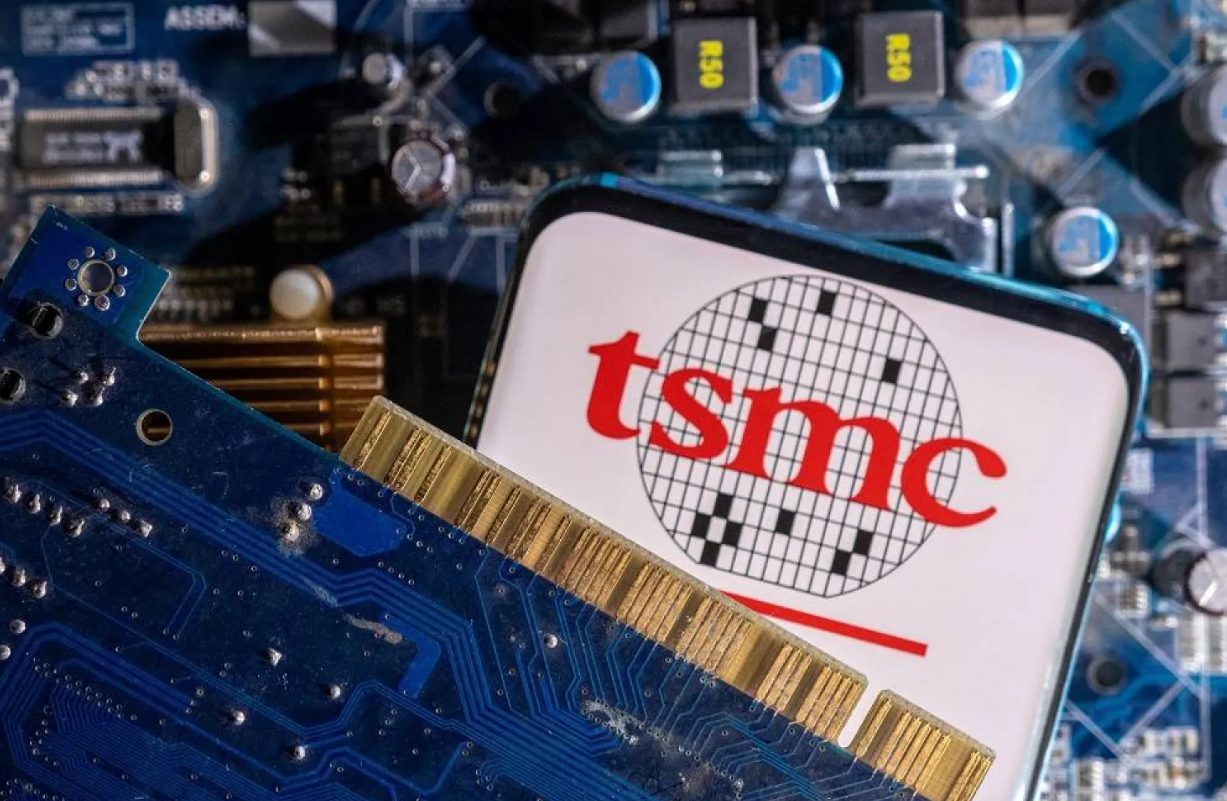
The selective deployment of that infrastructure is worth noting. Taiwan receives military protection, weapons, and political solidarity. Why? TSMC manufactures over 90% of the world's advanced semiconductors. Commerce Secretary Howard Lutnick said it plainly:
"We need their silicon, the chips so badly that we'll shield them, we'll protect them."
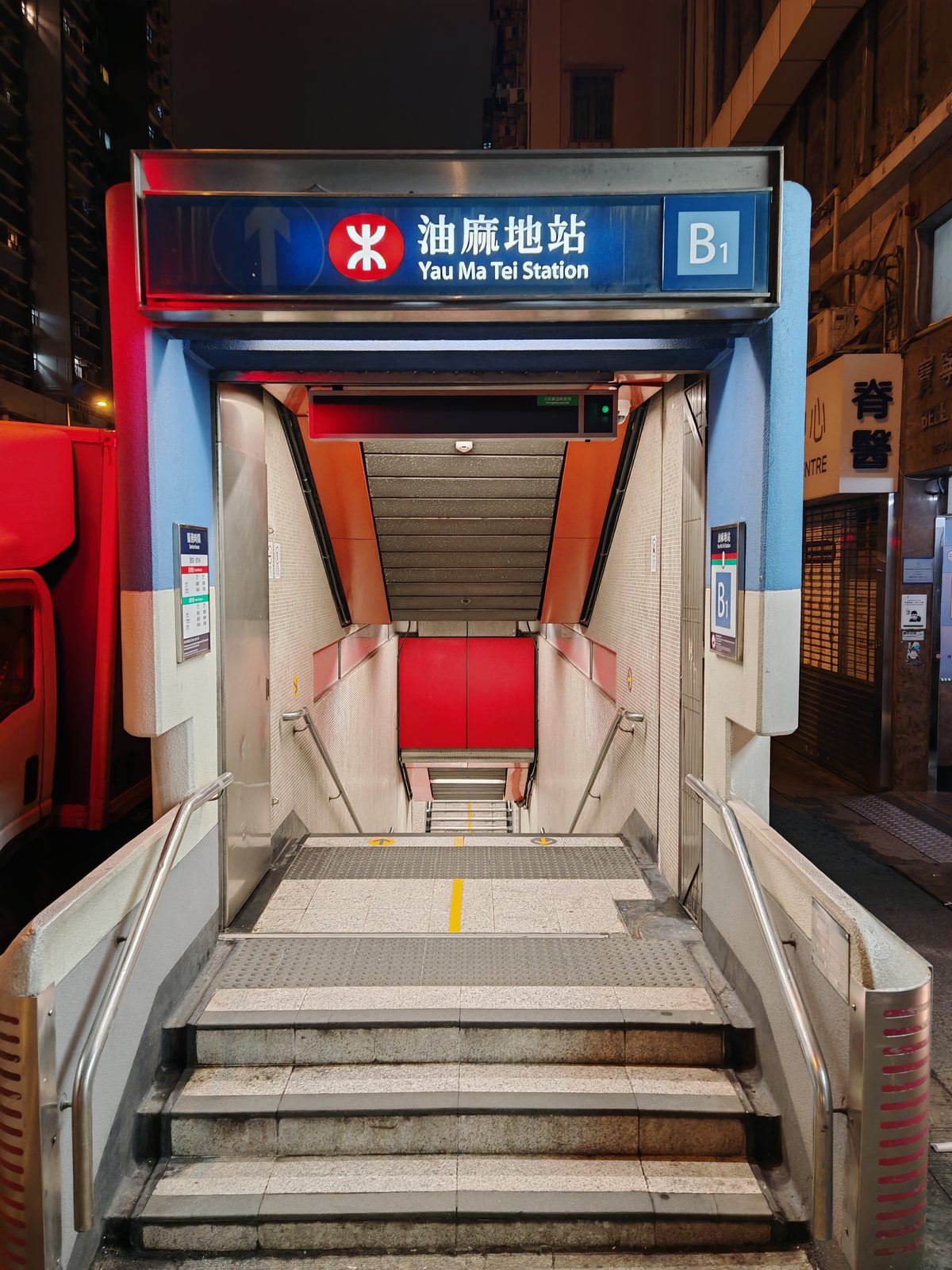
Hong Kong, by contrast, had no chips to offer. When its protest movement was extinguished between 2019 and 2020, the US issued statements. The boats didn't move. Democracy, in practice, is defended in proportion to its strategic value.
The Iran strikes deserve the same lens. The nuclear framing set the terms: Iran's programme was the threat. But Iran is a signatory to the Nuclear Non-Proliferation Treaty and has been under continuous IAEA inspection. The IAEA had by 2025 raised real concerns about undeclared material and gaps in what it could verify. Those concerns do not explain why an inspected programme draws the bombs while an undeclared arsenal goes unmentioned. Israel is not a signatory to the NPT, has never declared its arsenal, and runs an undeclared nuclear weapons programme at the Dimona facility in the Negev that has never been inspected. Experts estimate Israel holds around 90 warheads, with some estimates ranging higher. A 2015 proposal to put Israel under IAEA oversight was vetoed by Western powers. The UN Special Rapporteur's 2022 report documented how US sanctions on Iran, maintained since the 1979 revolution with escalating severity, have blocked medicines, driven up infant mortality, and caused shortages of lifesaving drugs that "humanitarian exemptions" failed to offset. Human Rights Watch found the sanctions violated Iranians' right to health. When the bombs fell on June 2025, they fell on a country whose civilian population had already been under siege for more than four decades. The threat framing and the oil framing are not mutually exclusive. The petrodollar requires both.
The empire's name is on the peace deals too. A framework signed in Washington on 26 June 2026 ties reconstruction funding, and the return of people displaced from southern Lebanon, to one condition: the Lebanese army disarming Hezbollah first, in zones the US reserves the right to verify. Israel keeps the strip it occupies in the meantime, with no fixed date to leave. The text points toward a later normalisation deal, and Israel's ambassador in Washington has already raised the idea of Lebanon joining the Abraham Accords. Hezbollah has called it null and void. It is the Shock Doctrine in a different register, the conditional loan swapped for reconstruction money and a return home, withheld until the political demand is met.
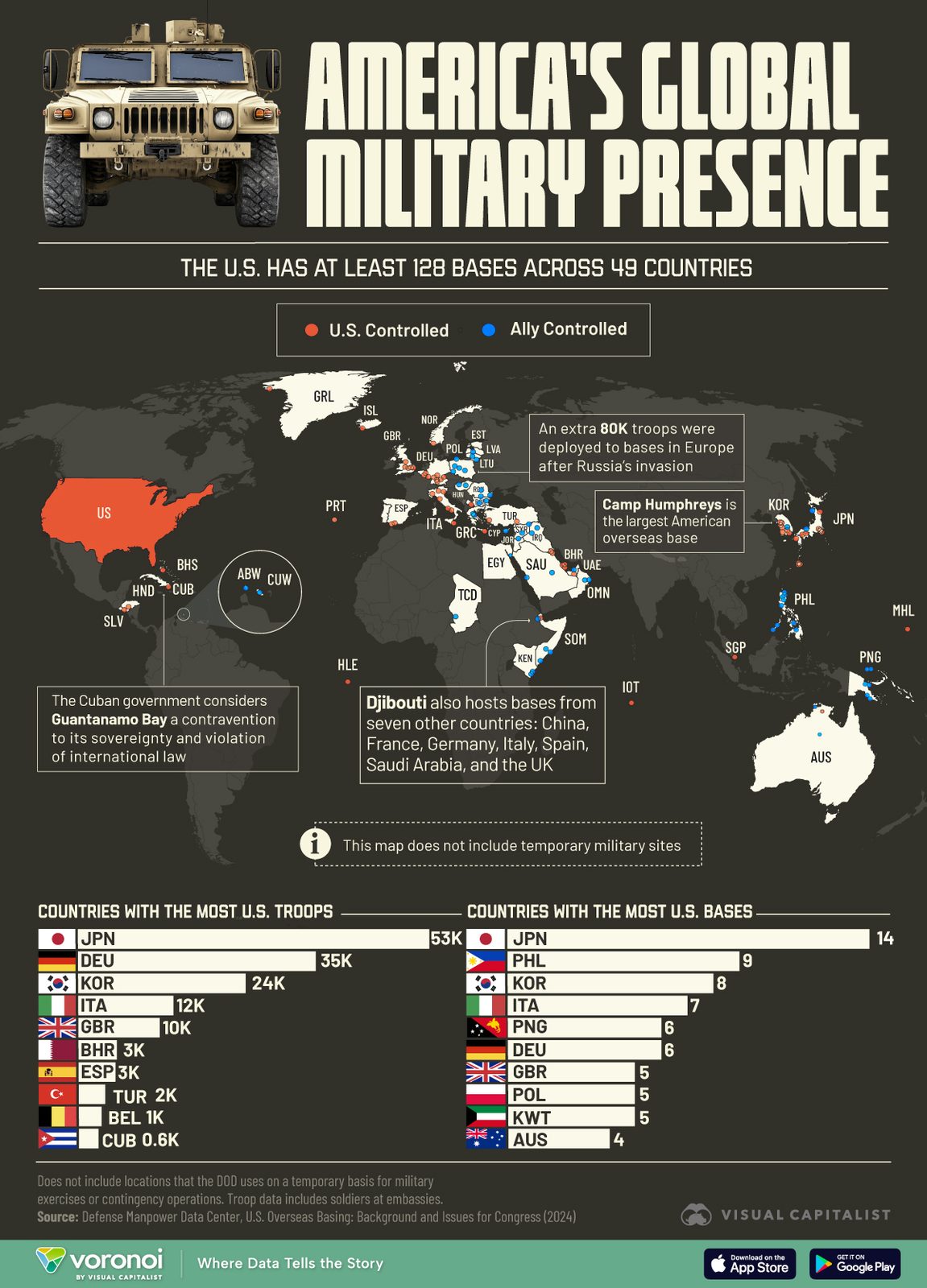
One of those bases is Clark, a few towns from where my relatives live. The US ran it from 1902 until 1991. It is named after Harold M. Clark, a US Army aviator who grew up in Manila as the son of an American businessman, served nowhere near the Philippines in his career, and died in a seaplane crash over the Panama Canal in 1919. The base carries his name, so does the international airport my family flies from, so does a whole "New Clark City" rising nearby. The empire's signature, still legible a century on, stamped on the ground for the locals to read every day.
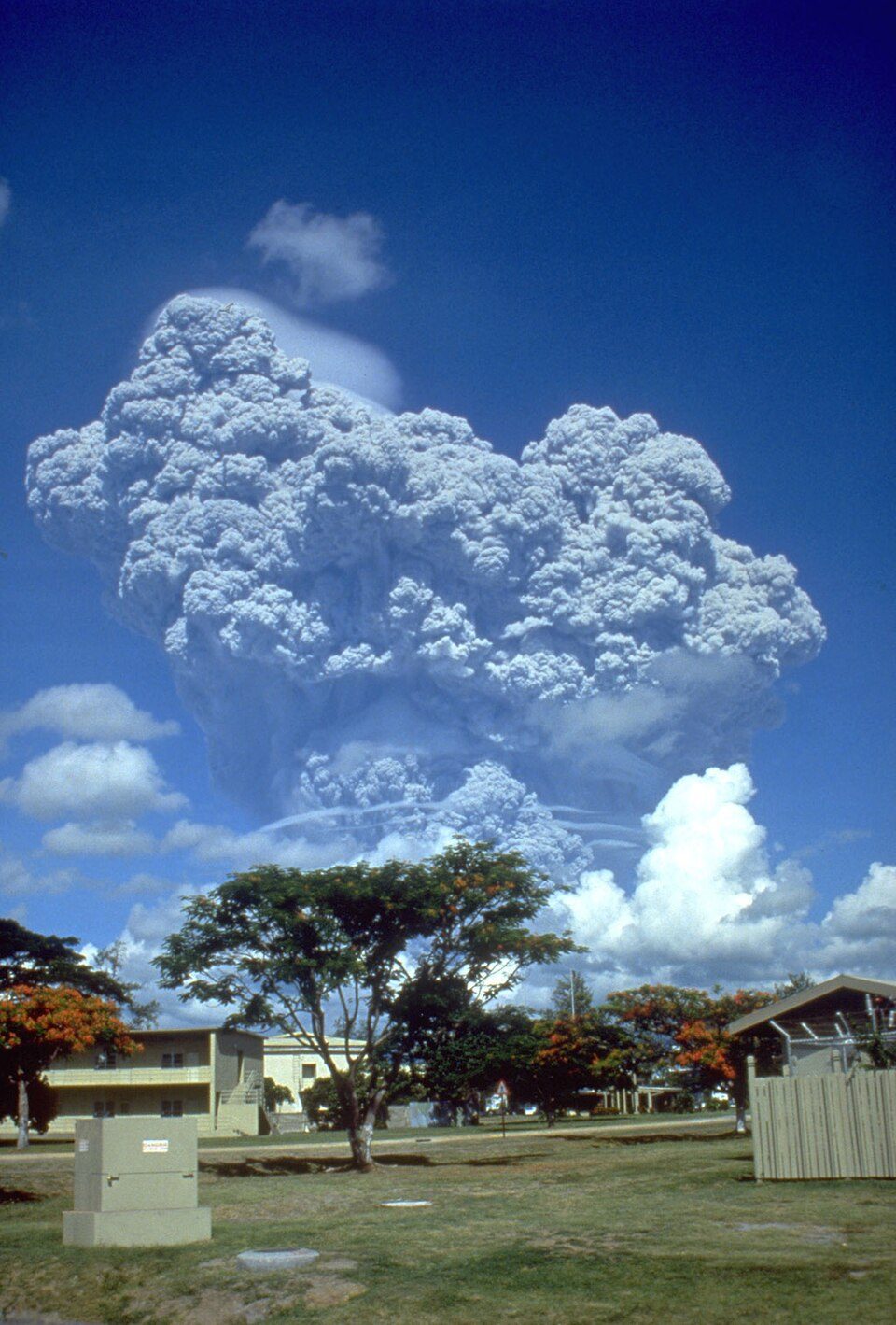
In 1991, when Mount Pinatubo erupted, people fled and sheltered at Clark. The US then departed, the Philippine Senate having voted the bases out. The ground was left behind. In the years that followed, families settled on the abandoned land, drank from its water table, and encountered the contamination the Americans had left and declined to clean. A 1993 World Health Organization report found the site laced with lead, jet fuel, raw sewage, live ordnance, and radioactive waste. Cancers. Miscarriages. Children born harmed. Washington pointed to a clause in the old basing agreement and declined to clean any of it up.
Then it came back. Under President Marcos the US expanded to nine bases across the country, with a fresh $2.5 billion in military funding over five years. And during the pandemic, when China's Sinovac was the only vaccine most Filipinos could get for the better part of a year, the Pentagon ran a secret operation of roughly 300 fake social media accounts to make them distrust it. A senior US military officer told Reuters the goal was simply to "drag China through the mud." Filipinos were dying in the tens of thousands. The campaign treated their lives as a move on a board.
Meanwhile the storms keep growing. In 2024, Typhoon Carina and the monsoon it dragged in wrecked 1.21 billion pesos of crops in a single stretch. The $500 million a year America sends in military aid is money that could have put more than 170,000 children through a year of healthcare. This is what the empire costs the people it says it protects, and the bill, as ever, lands at home.
A note on sourcing
The Pentagon's anti-vax operation in the Philippines was broken by Reuters in 2024, and it holds. I lean on it because the same period showed how even careful outlets can get a story badly wrong. In November 2024, the Dutch photographer Annet de Graaf filmed Maccabi Tel Aviv supporters attacking residents in Amsterdam around the Ajax fixture. Her footage was used by Reuters, the BBC, the New York Times and others to suggest the reverse, that Israeli fans were the ones under attack. The Times ran a headline implying an antisemitic motive while its own copy carried only verified evidence of anti-Arab chanting and violence by Maccabi supporters. De Graaf demanded corrections, several were issued, and she has since set up her own platform, Whispering Media. Marc Owen Jones, who studies disinformation at Northwestern University in Qatar, counted the BBC live blog citing 13 Israeli and Jewish sources against one or two alternative perspectives. No Israelis died in Amsterdam. The same outlets were, in those weeks, still reluctant to call the killing of tens of thousands of Palestinians in Gaza a genocide, a word that Amnesty International, Human Rights Watch, the UN's own Commission of Inquiry, and the International Association of Genocide Scholars have all since applied to it.
The pattern repeated in Birmingham. West Midlands Police used Microsoft Copilot to assemble intelligence that helped ban Maccabi fans from a match in late 2025. The AI invented a previous Maccabi against West Ham fixture that never happened, and that fabrication went into a formal police briefing as fact. The watchdog found confirmation bias and no evidence of antisemitism in the decision, the chief constable lost the confidence of the home secretary, Shabana Mahmood, and retired. Major institutions can report the truth and distort it in the same month, sometimes in the same paragraph. That is why multiple sources matter, and why the Pentagon's confirmed behaviour in the Philippines needs no single outlet to carry it.
Access is not enough
Theory became flesh for me in Tower Hamlets, where the highest levels of child poverty in Britain sat in the literal shadow of Canary Wharf, the towers of the world's richest banks looking down on the council estates. I worked there full time on a digital inclusion project, with young people with autism and families who had no computer or internet at home.
Over four years and 25 families, I learned something that has only grown truer. Technology for good is real. Access on its own falls short. People need human contact, community, mentorship, trust, a hand held through it. That matters more now, with generative AI walking into every part of life, sold as a tool that needs no teacher. The Birmingham case is one measure of what that costs. A police force trusted a chatbot where it should have checked, the fabrication it produced was submitted to a public body as fact, and it triggered an international incident and ended a chief constable's career. That is not an edge case. That is how these systems fail when the stakes are real and the human oversight is thin.
And the costs are not hidden, if you look. The same logic that makes Haiti pay France for its own freedom, and fills the Philippines with bases that poison the water, governs the AI land grab. The compute runs everywhere. The bill lands somewhere specific. The US economy is now lashed to this race: AI companies drove roughly 80% of the S&P 500's gains in 2025, Nvidia briefly passed a $5 trillion valuation, and the five biggest tech firms hold 30% of the index, the most concentrated the index has been in decades. The Bank of England has warned of systemic risk if those valuations correct, and because of the dollar's reach, that correction would not stay in Palo Alto. Lester Freamon put it best in The Wire: follow the money, and you don't know where it'll take you. Follow the dollar. It takes you to data centres in Johor, to oil fields in Venezuela, to the Strait of Hormuz, to the ground under Clark.
In Gelang Patah, in Johor, where my own roots run, residents stood outside a data centre construction site in February 2026 to protest the dust and the threat to their water. Johor has become Southeast Asia's fastest-growing data centre hub, soaking up the demand that Singapore won't host next door, billions of ringgit of investment and gigawatts of power and the water it takes to cool the machines that run our AI. The conveniences land everywhere. The bill lands on Gelang Patah.
What actually shifts power
So what does? It's older and humbler than any coin. In the Philippines there's a word for it: bayanihan. Bayan means community, nation. From it comes bayani, hero or patriot, and bayanihan, the spirit of communal action. The words share a root, which is not accidental. The image behind the word is literal. When a family needed to move, the neighbours would lash bamboo poles under the whole house, the bahay kubo, lift it onto their shoulders, and carry it together to new ground, and then everyone would eat. No money changed hands. People carrying each other's lives.
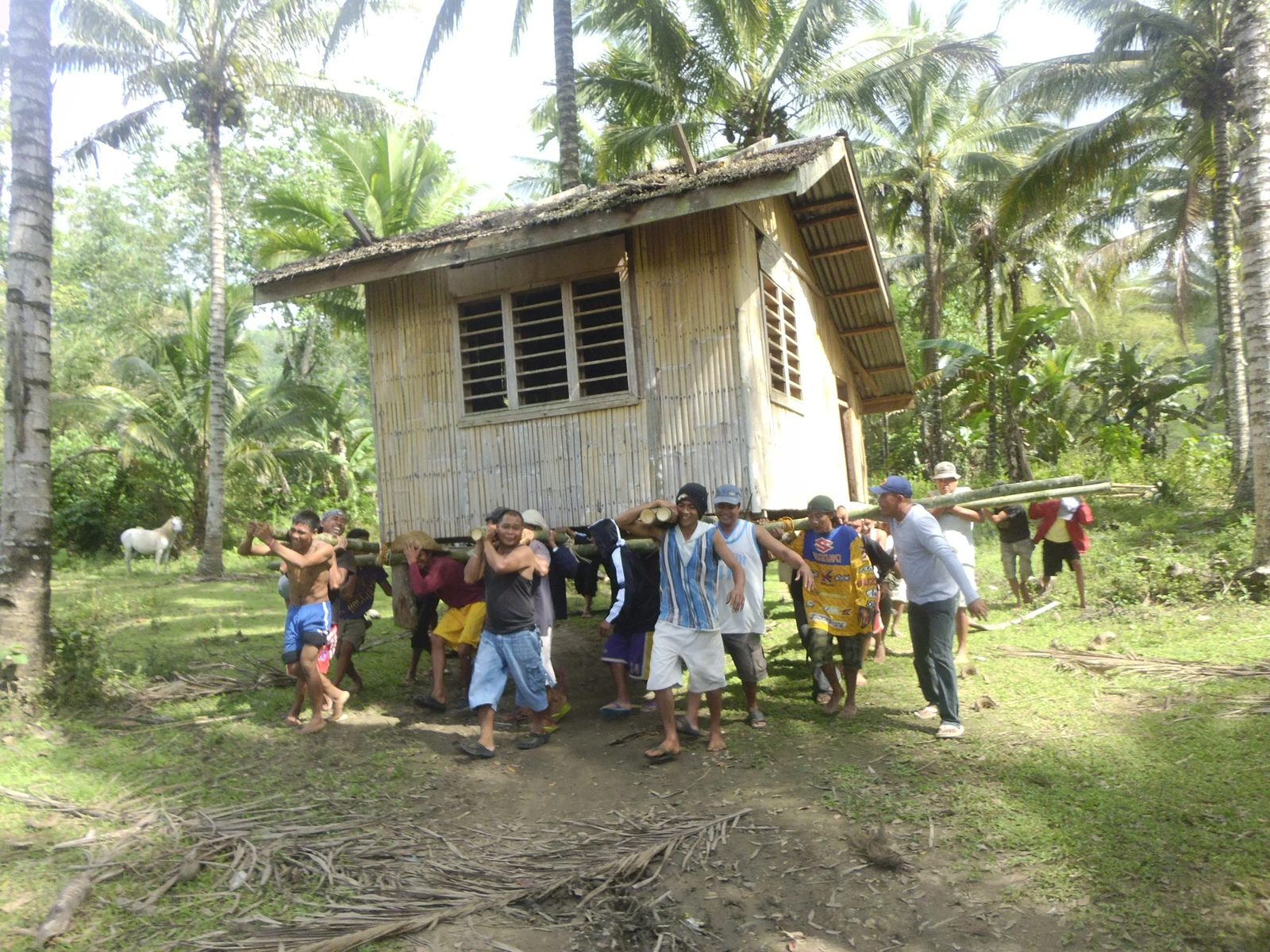
That's the model. Tools held in common, that count what people contribute rather than what they own, that run on your own device and answer to the community that uses them. Sovereignty over our own systems, lifted from the ground up like a house on bamboo poles.
It's the driving force behind what I build. In HRDAO, a governance project I co-designed with Gareth Fakhry from Amnesty International's Aotearoa New Zealand team, the right to vote is a contribution credential you can't buy or sell, kept apart from any tradeable token, so the plutocracy Linares describes is designed out at the root. In Manifest, the human rights witnessing tool and cultural infrastructure I build, there's no server and no account, nothing in the middle to seize, sell, or subpoena. Small poles under a heavy house.
Linares's book is full of older money that did a gentler job. Cacao that rotted, so no one could hoard it. Wampum belts that recorded a treaty and were unstrung when it broke. These weren't utopias, and he never pretends they were. They are proof that money can hold a relationship as readily as it closes an account.
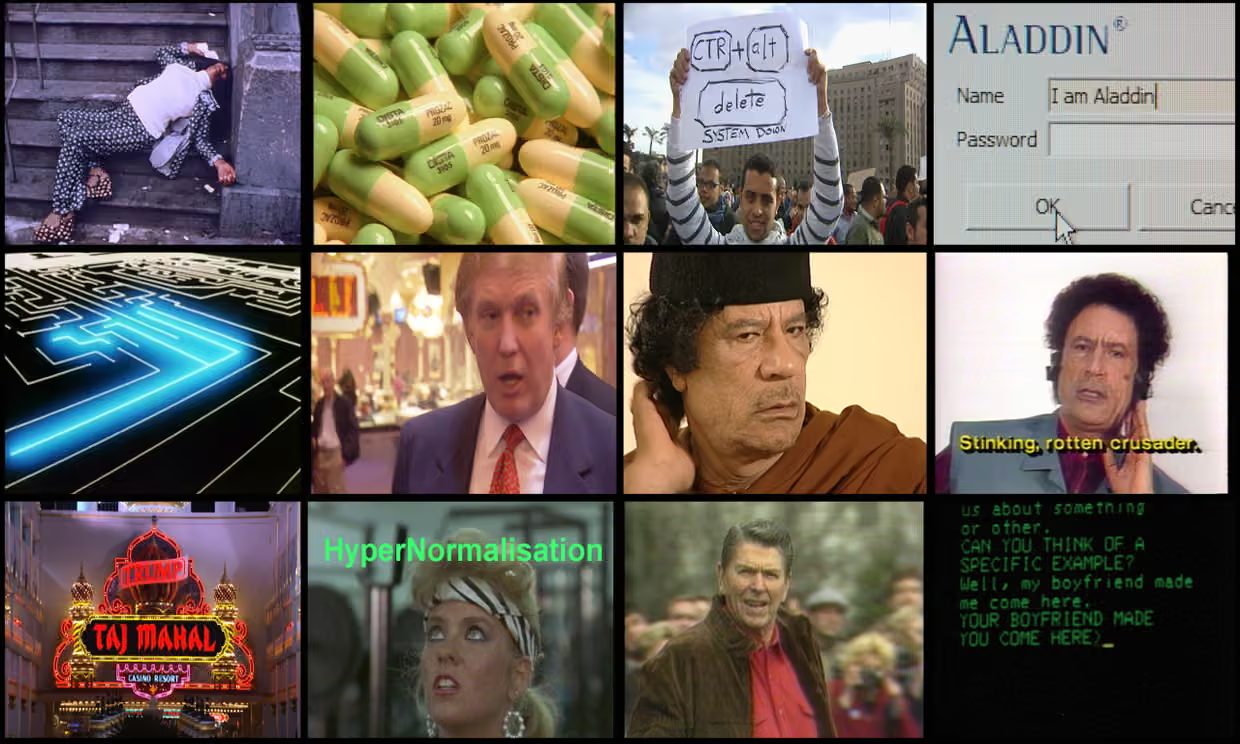
None of this is finished, and Linares is honest that his theory is meant to stay open, a set of questions to organise around. Abolition, in Ruth Wilson Gilmore's phrase, is "presence, not absence," building the thing that makes the old thing obsolete. I hold that with my eyes open. The anthropologist Alexei Yurchak gave us a word for the trap, hypernormalisation: a society keeps performing a system it has stopped believing in, until the performance feels like the only reality there is. Adam Curtis put it on film in 2016, in HyperNormalisation, and aimed it at us. What we build against is watched, funded, and defended by people with bombs and bond markets. This is David against an army of Goliaths, and I won't pretend otherwise. Time will tell where our efforts land.
But money was only ever a promise. And a promise, like a house on bamboo poles, can always be lifted and carried somewhere better, together.
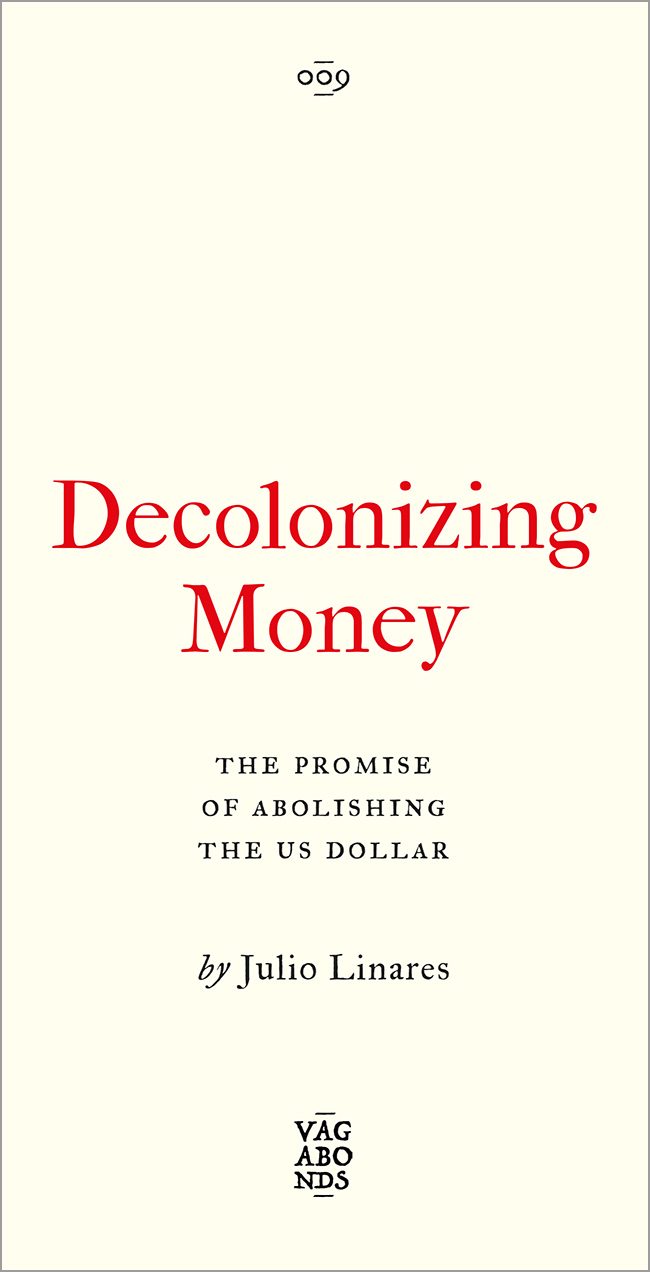
Julio Linares, Decolonizing Money: The Promise of Abolishing the US Dollar (Pluto Press, Vagabonds series, 2026). The ebook is £9.99; the paperback is £14.99 with the ebook free. If you read one book on money this year, read this one. plutobooks.com
Sources and further reading (29)
US bases worldwide: World Beyond War, military empire database; David Vine, Base Nation; Visual Capitalist / Voronoi, "America's Global Military Presence" (US Defense Manpower Data Center, 2024). Pentagon's own tally: at least 128 bases across 49 countries.
US encirclement of China: John Pilger, The Coming War on China (2016). For a critical reading of Pilger's framing, see The Diplomat, December 2016.
Taiwan "silicon shield": Stimson Center, Semiconductors and Taiwan's Silicon Shield (2022). Lutnick quote, NewsNation interview, September 2025.
Clark and the bases: Harold M. Clark (Wikipedia); Los Angeles Times, 1991; Masafumi Yokemoto, Asia-Pacific Journal.
Toxic legacy: Climate Diplomacy / 1993 WHO report; Bayanihan Foundation, toxic wastes left behind at Clark and Subic.
Costs and trade-offs: Institute for Policy Studies / National Priorities Project, "The Costs of US Militarization in the Philippines"; National Priorities trade-offs tool.
EDCA expansion: Associated Press.
Anti-vax propaganda: Reuters special report, "Pentagon ran secret anti-vax campaign to undermine China" (2024); Democracy Now! interview with lead reporter Joel Schectman; Wikipedia, ChinaAngVirus disinformation campaign.
Amsterdam / media pattern: Marc Owen Jones (Associate Professor, Northwestern University in Qatar), "Innocent Israelis, Bad Arabs? How the Media Scripted Amsterdam's Soccer Violence", Zeteo, November 2024; Misbar media analysis; CounterPunch.
Gaza genocide determinations: Amnesty International, 'You Feel Like You Are Subhuman': Israel's Genocide Against Palestinians in Gaza (December 2024); Human Rights Watch, Extermination and Acts of Genocide (December 2024); UN Independent International Commission of Inquiry on the Occupied Palestinian Territory, legal analysis (A/HRC/60/CRP.3, 16 September 2025); International Association of Genocide Scholars resolution (August 2025); genocide scholar Omer Bartov (Brown University).
Annet de Graaf / Whispering Media: Villamedia, July 2025; corrections demands documented across CounterPunch and New Arab reporting.
Birmingham AI hallucination: UK police watchdog (HMICFRS) report and parliamentary scrutiny, January 2026; reporting in The Guardian, The Register, and others; Home Secretary Shabana Mahmood's parliamentary statement, January 2026.
Resistance: BAYAN USA, "Cancel RIMPAC, Resist NATO".
Climate cost: GMA News, Carina and habagat agricultural damage.
CIA, Contras, and narco-trafficking: 1989 Kerry Committee Report; CIA Inspector General report, 1998; Gary Webb, Dark Alliance (Seven Stories Press, 1998); The Intercept, "How the CIA Watched Over the Destruction of Gary Webb" (2014).
Iran sanctions and civilian harm: Human Rights Watch, "Maximum Pressure: US Economic Sanctions Harm Iranians' Right to Health" (2019); UN Special Rapporteur, country report on unilateral coercive measures, 2022; Mohamadi et al., "Impacts of economic sanctions on population health," Global Health 20:81 (2024).
Israel nuclear double standard: SIPRI Yearbook 2025 and the Federation of American Scientists' Nuclear Notebook on Israel's undeclared arsenal; Arms Control Association on Israel's status outside the NPT and the Dimona facility; on the blocked 2015 Middle East WMD-free-zone proposal, Reuters.
Venezuela, Iran, Cuba 2026: House of Commons Library briefings on the capture of Nicolás Maduro and on the Strait of Hormuz; Brookings and CSIS analyses; UN OHCHR statement on the Cuba fuel blockade (Executive Order 14380, January 2026).
Strait of Hormuz and the US-Iran memorandum, June 2026: Reuters, Associated Press, CNN and NBC News reporting on the 17 June memorandum of understanding and the exchange of strikes that followed; Soufan Center IntelBrief, 29 June 2026.
Lebanon-Israel framework agreement, 26 June 2026: US State Department text of the trilateral framework; Reuters, Associated Press, PBS NewsHour and Al Jazeera on its terms.
GENIUS Act and stablecoins: White House signing fact sheet, July 2025; Trump signing remarks.
UAE petroyuan warning and OPEC exit: Wall Street Journal (April 2026); Fortune, Middle East Monitor; UAE OPEC exit announced 28 April 2026.
Jubilee 2000 and Jubilee 2025: Debt Justice (formerly Jubilee Debt Campaign), "$130 billion of debt cancellation for 36 countries between 2000 and 2015"; Eurodad, Jubilee 2025; Pope Francis Jubilee debt appeal, December 2024 (Reuters).
Jubilee scriptural tradition: Leviticus 25:1–55; Deuteronomy 15:1–11 (shemitah); Luke 4:18–19 (NRSV); Matthew 6:12 (NRSV, Greek opheilemata). On "proclaim release" as the more accurate translation of Leviticus 25:10: Biblical Archaeology Library, "The Liberty Bell: Ringing in an American Jubilee?". On amargi and cross-civilisational debt cancellation: David Graeber, Debt: The First 5000 Years (Melville House, 2011); on hobha meaning both debt and sin, ibid., p. 59.
Capitalism as a cult: Walter Benjamin, "Capitalism as Religion" (1921), in Selected Writings Vol. 1 (Harvard, trans. Rodney Livingstone).
AI bubble and dollar exposure: Bank of England financial stability warnings, 2025; Nvidia $5 trillion valuation (29 October 2025).
Linares academic paper: Julio Linares et al., "Decolonising money: learning from collective struggles for self-determination," Sustainability Science 17:1159–1170 (2022). Peer-reviewed precursor to the Pluto book.
The Wire quote: Detective Lester Freamon, The Wire, Season 1 (David Simon and Ed Burns).